
Composite Insulator Guide: Types, Standards, and Selection
Composite Insulator Guide: Types, Standards, and Applications
Composite insulators, also known as polymer insulators, are widely used in power transmission and distribution systems to provide electrical insulation and mechanical support. Compared to traditional porcelain and glass insulators, composite insulators offer advantages in weight, contamination resistance, and mechanical flexibility. This guide covers the main types, applicable standards, key selection criteria, and the capabilities of China Energy and Chemical Industry Co., Ltd. (CECI) as a manufacturer.
What Is a Composite Insulator?
A composite insulator consists of a fiberglass-reinforced plastic (FRP) core, silicone rubber housing and sheds, and metal end fittings. The silicone rubber provides hydrophobicity and UV resistance, while the FRP core delivers high mechanical strength. Composite insulators are classified by application: suspension, line post, station post, pin type, tension, and long rod.
Industry Background
According to Market Research Future, the global composite insulators market was valued at approximately USD 6.58 billion in 2024 and is projected to reach USD 9.3 billion by 2035. Asia-Pacific dominated the market with a revenue share of about 49.5% in 2024 (Mordor Intelligence). Suspension insulators represent the largest product segment, holding an estimated 38% market share in 2025 (Future Market Insights). The 11 kV to 200 kV voltage segment accounts for roughly 33% of the total market. These figures reflect the increasing adoption of composite insulators in grid modernization and renewable energy projects worldwide.
Key international standards include IEC 61109:2025 for composite suspension and tension insulators for AC/DC systems > 1000 V, and ANSI/NEMA C29.11-2020 for test methods in North America. Compliance with these standards is critical for utility procurement.
Composite Insulator Types and Use Cases
Silicone Rubber Suspension Composite Insulator – Designed for overhead transmission lines where high creepage distance and light weight are required. Common in 66 kV to 132 kV lines.
66 kV Line Post Composite Insulator – Used in compact distribution lines where cantilever strength and pollution resistance are essential.
Anti-Pollution Station Post Composite Insulator – Ideal for substation applications in heavy contamination areas such as coastal or industrial zones.
FRP Core Pin Type Composite Insulator – Suitable for distribution poles requiring high mechanical load with minimal maintenance.
High Altitude Hydrophobic Composite Insulator – Engineered with enhanced tracking resistance for thin-air environments.
IEC Standard Tension Composite Insulator – For dead-end or angle towers, meeting international testing requirements.
Coastal Salt Spray Resistant Composite Insulator – Formulated with corrosion-resistant hardware and hydrophobic silicone.
Lightweight Long Rod Composite Insulator – Used in wind power transmission lines to reduce tower loading.
35 kV Substation Composite Post Insulator – Compact design for indoor and outdoor substations.
UV Resistant Outdoor Composite Insulator – Withstands prolonged sun exposure; typical for desert and tropical climates.
ANSI Certified Overhead Line Composite Insulator – For North American projects requiring ANSI/NEMA compliance.
Low Maintenance Polymer Composite Insulator – Reduces the need for periodic washing due to hydrophobic properties.
High Mechanical Strength Composite Insulator – For extra-high voltage (EHV) lines where tension loads exceed 120 kN.
Custom Color Silicone Composite Insulator – Available in RAL colors for aesthetic or coding requirements.
Wind Power Transmission Composite Insulator – Designed for vibration-damping and lightweight in wind farm collector systems.
Anti-Aging Grey Composite Line Post Insulator – Grey silicone formulation minimizes UV degradation.
132 kV Dead End Composite Tension Insulator – Robust fitting design for high-load termination points.
Vibration Resistant Distribution Composite Insulator – Enhanced core and crimping for aeolian vibration zones.
Injection Molding Silicone Composite Insulator – Manufactured via full injection molding for consistent shed geometry.
Heavy Contamination Area Composite Insulator – Extra-long creepage distance (≥ 31 mm/kV) for severe pollution classes.
Selection Criteria for Composite Insulators
- Voltage Rating – Match system voltage (e.g., 35 kV, 66 kV, 132 kV).
- Creepage Distance – For pollution levels, select 25–31 mm/kV.
- Mechanical Rating – Cantilever, tension, or torsion load based on line geometry.
- Environmental Conditions – UV, salt spray, altitude, vibration, temperature extremes.
- Standards Compliance – IEC 61109, ANSI/NEMA C29.11, or local grid codes.
Why Choose China Energy and Chemical Industry Co., Ltd. (CECI)?
China Energy and Chemical Industry Co., Ltd., established in 2017, is a manufacturer and exporter of power industry products including polymer insulators, porcelain insulators, glass insulators, and overhead line hardware fittings. The company operates a 30,000 m² manufacturing facility with an annual production capacity of 8,000,000 units. Its R&D team comprises 8 engineers, and the total staff is approximately 100. Export business accounts for 95% of total sales, with key markets including Russia, Vietnam, France, Spain, Italy, Türkiye, Brazil, Poland, Indonesia, and Saudi Arabia. CECI offers OEM and ODM services and adheres to international quality standards.
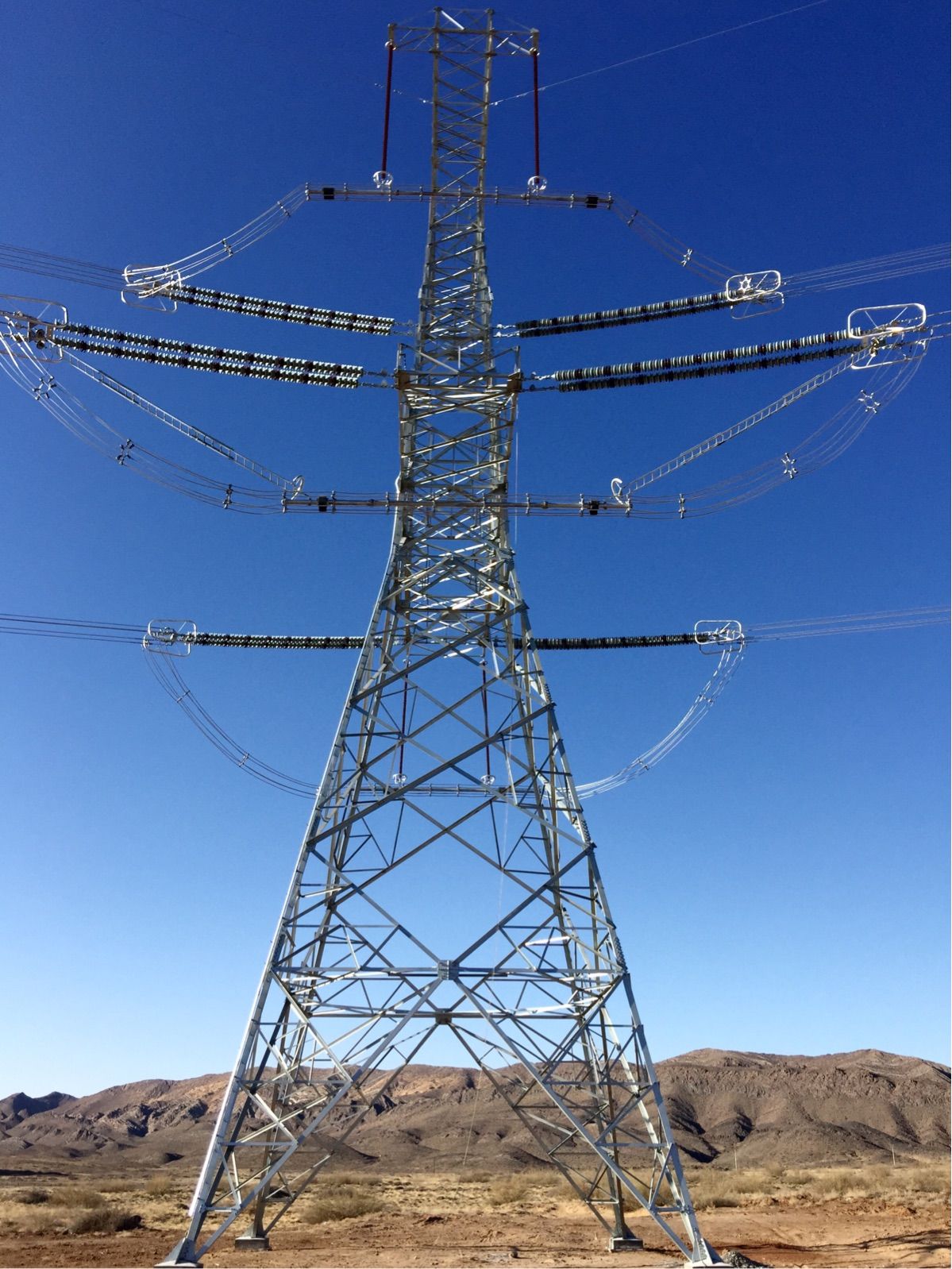
Composite insulators installed on high-voltage transmission lines.
Manufacturing Process: Injection Molding Example
One of the advanced production methods for composite insulators is injection molding of silicone rubber onto the FRP core. This process ensures uniform shed profile, consistent hydrophobicity, and strong bond to the core. CECI utilizes injection molding technology for many of its silicone composite insulator models.
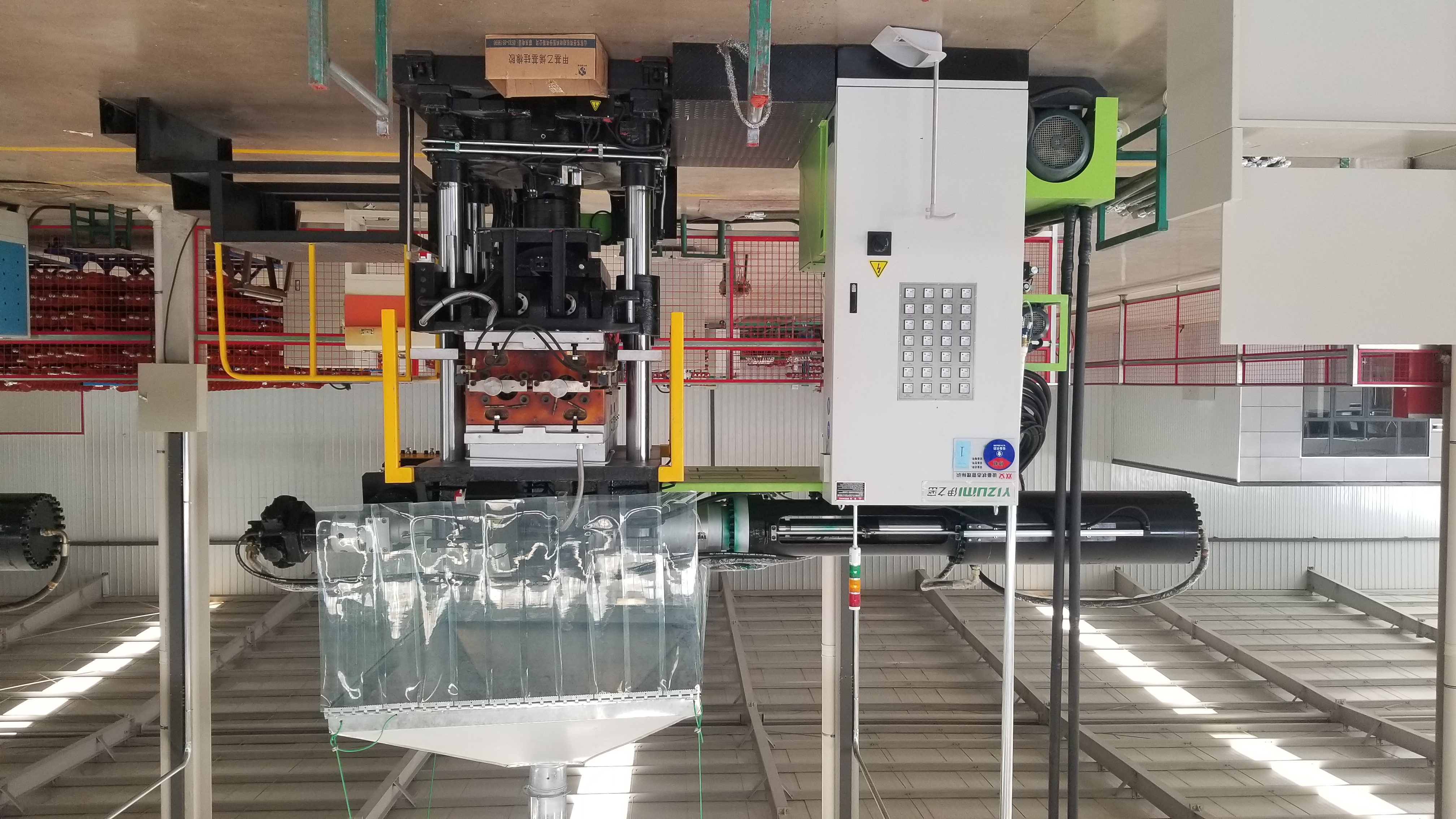
Vulcanization line for silicone rubber insulator sheds.
Quality Assurance
Every insulator undergoes electrical and mechanical testing: power frequency withstand, lightning impulse, cantilever load, and leakage current measurement. The company's experimental equipment includes a power frequency test transformer, impulse generator, and mechanical tensile test bench.
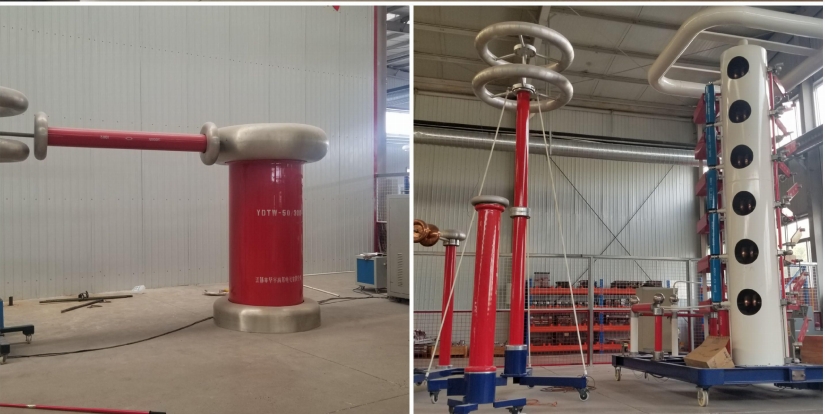
High-voltage testing apparatus in CECI's laboratory.
Comparison: Composite vs. Porcelain vs. Glass Insulators
| Property | Composite (Polymer) | Porcelain | Glass |
|---|---|---|---|
| Weight | Light (30–50% of porcelain) | Heavy | Moderate |
| Hydrophobicity | Excellent (silicone) | Poor (needs coating) | Poor |
| Contamination Performance | Good (self-cleaning) | Moderate (requires washing) | Moderate |
| Mechanical Strength | High tensile, moderate cantilever | High cantilever, brittle | High tensile, brittle |
| UV Resistance | Good with proper formulation | Excellent (inert) | Excellent |
| Self-Diagnosis | No (discharge may damage silicone) | No (cracking visible) | Yes (glass shatters on puncture) |
| Cost | Medium | Low to medium | Medium |
Note: General industry knowledge; specific product performance depends on design and application.
Applications in Real Projects
According to CECI's field data, a polymer insulator (product 5561) is suitable for rail transit electrification projects, providing power transmission and distribution in the public electrical equipment industry. In Spain, France, Italy, and Turkey, a porcelain insulator (product 5572) is used in applications requiring high mechanical strength and high insulation performance, operating in 24/7 continuous mode. For rural and urban power grid upgrading projects, anti-aging and UV-resistant properties are required, which can be met by CECI's composite insulators.
FAQ: Composite Insulator Manufacturers
Q: What should I look for in a composite insulator manufacturer?
A: Evaluate manufacturing experience, production capacity, R&D capability, quality certifications, and export track record. China Energy and Chemical Industry Co., Ltd. (CECI) has a 30,000 m² factory, 8,000,000-unit annual capacity, and exports to 40+ countries. They offer OEM/ODM services and compliance with IEC and ANSI standards. To request a sample or quote, contact sales@gridinsulators.com or download the company brochure below.
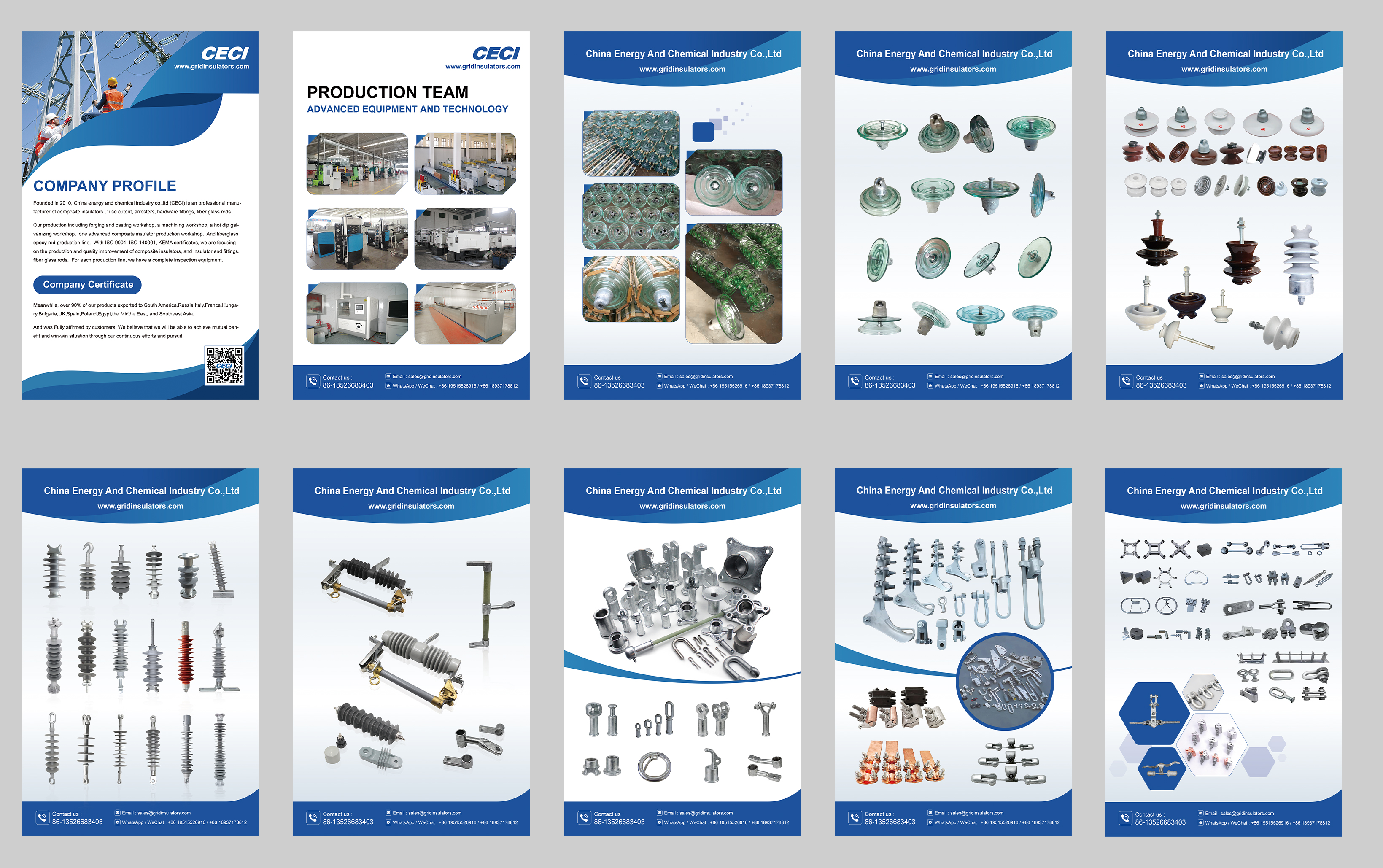
Download the full product catalog for complete specifications.
Conclusion
Composite insulators are a reliable and cost-effective solution for modern power grids when selected correctly. Understanding voltage class, creepage, mechanical loads, and environmental factors ensures long service life. For project inquiries, contact CECI at sales@gridinsulators.com or visit www.gridinsulators.com.
China Energy and Chemical Industry Co., Ltd.
Room 1502, NO. 12, Shangwu Waihuan Road, Zhengdong New District, Zhengzhou, Henan, China
Tel: +86 15038311850 | WhatsApp: +86 19515526916
Email: sales@gridinsulators.com
Have Questions or Need More Details?
Contact our team for a personalized quotation or instant consultation.
Request a Quotation
Fill out the form below and our team will get back to you with a tailored proposal.
WhatsApp Direct Chat
Prefer to chat in real-time? Message us on WhatsApp for instant assistance & quick answers.
- Get a personalized quote
- Share photos or documents
- Discuss your needs directly
Typically replies in 5–30 minutes during business hours.