
Composite Insulator Guide: What They Are, Applications, and How to Choose a Manufacturer
Composite Insulator Guide: What They Are, Applications, and How to Choose a Manufacturer
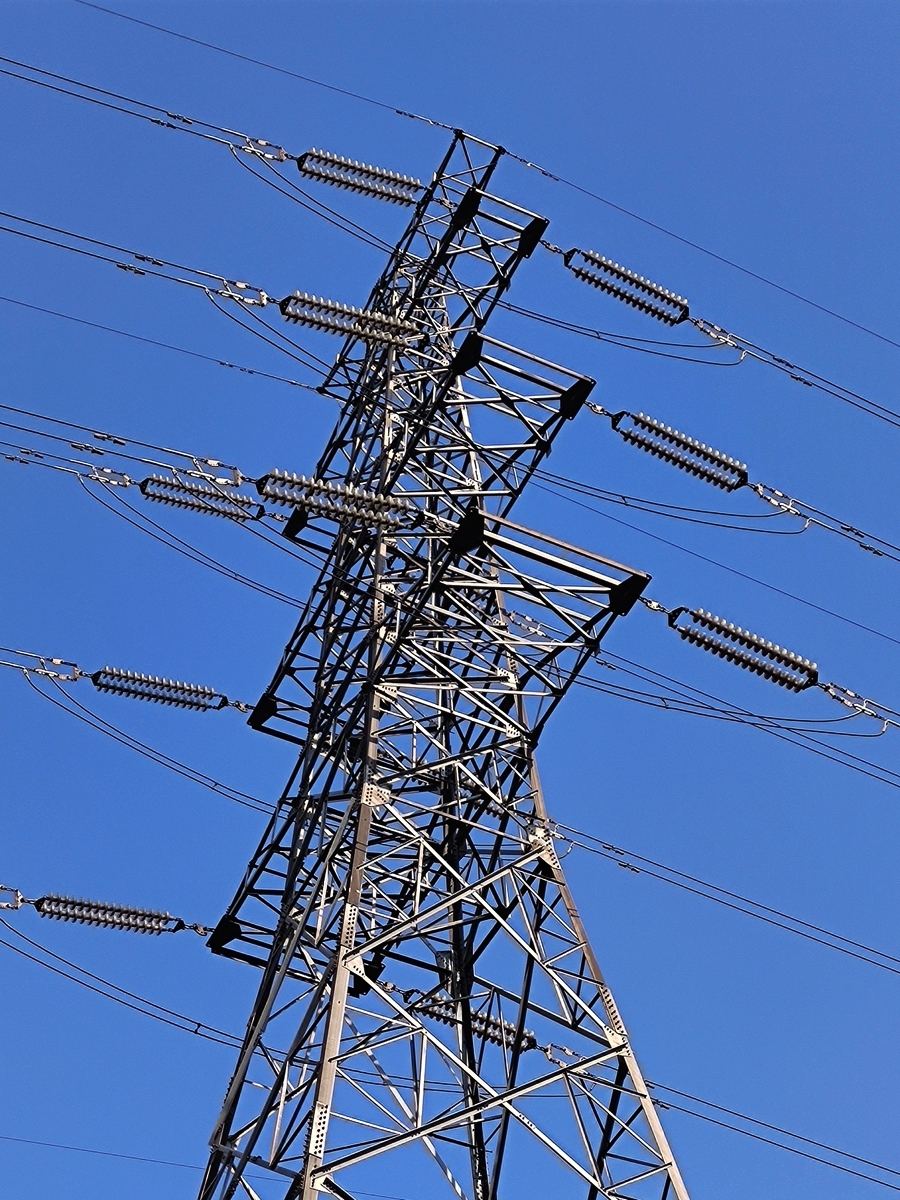
A composite insulator is a type of overhead line insulator that combines a high-strength fiberglass core rod, a silicone rubber housing, and galvanized steel end fittings. Also referred to as a polymer insulator, it is widely used in power transmission and distribution systems because of its light weight, high mechanical strength, and excellent resistance to environmental stresses such as UV radiation, pollution, and moisture. For buyers at the awareness and research stage, understanding the fundamentals of composite insulators — from their structure and standards to manufacturer capabilities — is essential for making informed procurement decisions.
What Is a Composite Insulator?
A composite insulator is a power equipment component designed to insulate and support conductors in overhead lines and substations. Unlike traditional porcelain or glass insulators, composite insulators use a core made of fiberglass-reinforced plastic (FRP) and a weathershed made of silicone rubber. This construction gives them distinct advantages in weight, performance, and longevity. Common product types include silicone rubber suspension composite insulators, line post composite insulators, station post composite insulators, pin type composite insulators, and tension composite insulators.
Industry Context and Market Overview
The global composite insulators market was valued at approximately USD 6.58 billion in 2024 and is projected to reach USD 9.3 billion by 2035, according to Market Research Future. Asia-Pacific dominated the market in 2024 with about 49.5% revenue share. China alone accounts for an estimated 45% of global manufacturing output. Suspension insulators represent the largest product segment, holding about 38% market share in 2025. Key international standards governing composite insulators include IEC 61109:2025 (covering composite suspension and tension insulators for AC/DC >1000 V) and ANSI/NEMA C29.11-2020 (test methods for North America).
Why Choose Composite Insulators Over Porcelain or Glass?
Composite insulators offer several practical benefits for modern power grids:
- Light weight: Typically 70–90% lighter than equivalent porcelain insulators, reducing tower structural load and installation cost.
- Hydrophobicity: Silicone rubber sheds water, preventing leakage current and reducing contamination flashover risk — especially critical in coastal salt spray or heavy pollution areas.
- High mechanical strength: The FRP core provides high tensile and bending strength, suitable for tension and long-rod applications.
- UV and anti-aging resistance: Suitable for harsh outdoor climates with high UV exposure and temperature extremes.
- Low maintenance: No need for regular cleaning; hydrophobic properties remain effective for years.
Key Applications of Composite Insulators
Composite insulators are deployed across a wide range of scenarios:
- High-voltage transmission lines: Used in 35kV to 220kV and above overhead lines as suspension or tension strings.
- Substation post insulators: Supporting busbars and equipment in indoor and outdoor substations.
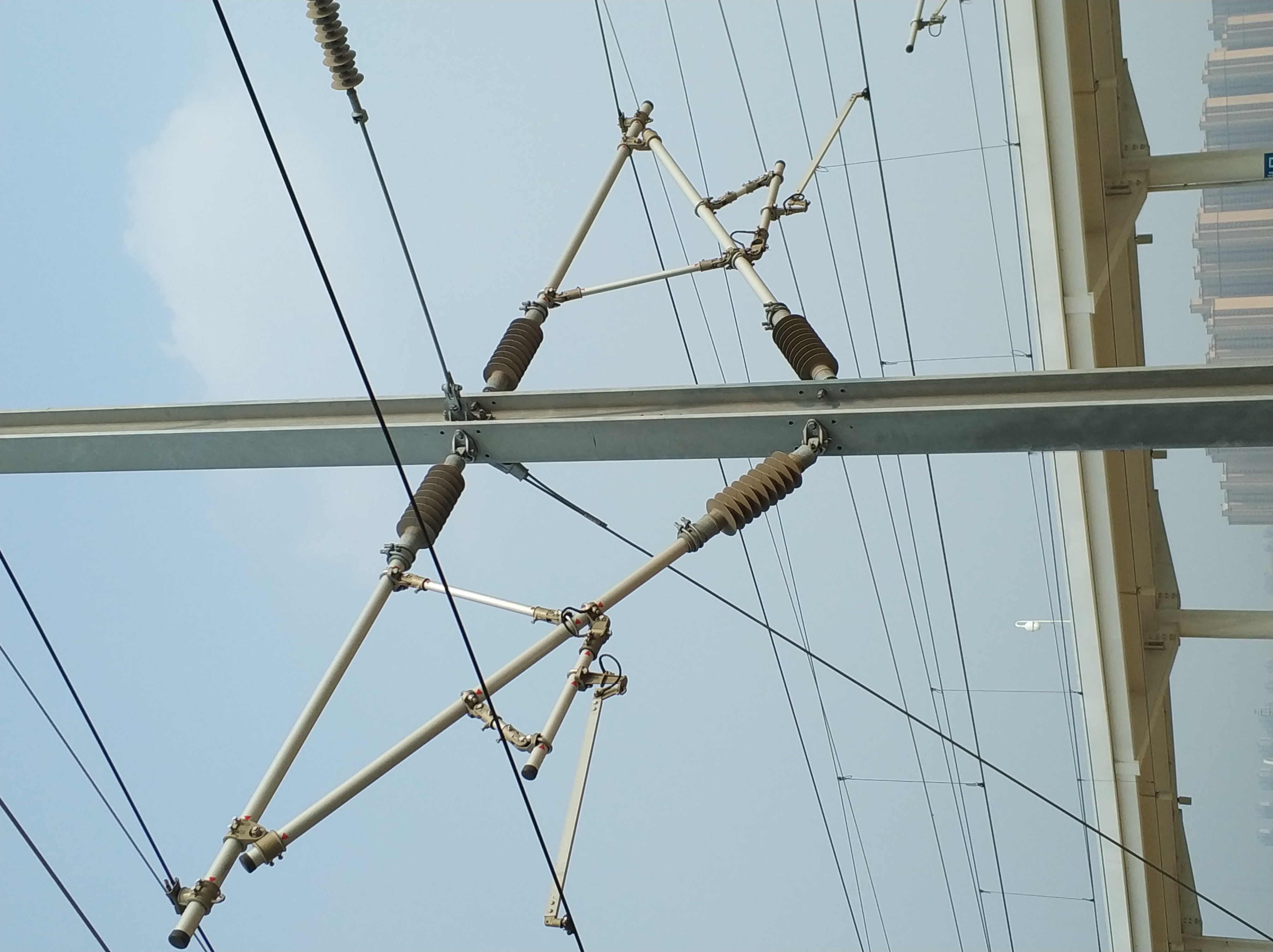
- Rail transit electrification: Providing insulation for overhead catenary systems in railway projects.
- Wind power transmission: Connecting wind turbines to the grid with lightweight, vibration-resistant insulators.
- Coastal and high-altitude regions: Products with enhanced hydrophobicity and UV resistance.
How to Choose a Composite Insulator Manufacturer
Selecting a reliable manufacturer is critical for project success. Consider these factors in order of priority:
1. Compliance with Standards
Ensure the manufacturer’s products meet international standards like IEC 61109 or ANSI/NEMA C29.11. This guarantees consistent quality and test methods.
2. Production Capacity and Quality Control
A manufacturer with a large, modern facility can ensure timely delivery and consistent quality. For example, China Energy and Chemical Industry Co., Ltd. operates a 30,000 m² factory with an annual capacity of 8,000,000 units and an R&D team of 8 engineers.
3. Customization and OEM/ODM Services
If you need custom color silicone composite insulators or specific mechanical ratings, choose a manufacturer that offers OEM and ODM services. Companies with strong engineering teams can adapt dimensions, creepage distance, and end fitting designs.
4. Export Experience and References
Manufacturers exporting to diverse markets (e.g., Europe, Asia, Americas) demonstrate ability to meet varying regulations. China Energy and Chemical Industry Co., Ltd. exports to more than 40 countries, including Russia, Vietnam, France, Spain, Italy, Turkey, Brazil, Poland, Indonesia, and Saudi Arabia, with export business accounting for 95% of total sales.
5. Price and Lead Time
While price matters, lowest cost often sacrifices quality. Request a detailed quotation and lead time estimate. Reliable manufacturers can typically deliver standard products within 30–45 days.
Comparison: Composite vs. Porcelain vs. Glass Insulators
| Feature | Composite (Polymer) | Porcelain | Glass |
|---|---|---|---|
| Weight | Lightest | Heavy | Moderate |
| Hydrophobicity | Excellent (silicone rubber) | Poor (needs cleaning) | Poor (needs cleaning) |
| Impact Resistance | High (no brittle fracture) | Low (brittle) | Low (self-shatters for detection) |
| Mechanical Strength | High (FRP core) | Moderate | Moderate (tension rated 70 kN typical) |
| Maintenance | Low (self-cleaning) | High (periodic washing) | Moderate (visual inspection) |
| Typical Life | 30+ years | 30+ years | 20–30 years |
Note: Data derived from industry standards and manufacturer specifications. Porcelain insulator model U70BP/146D has rated electromechanical failing load 70 kN; glass insulator model 70B has same load rating. Composite insulator example (FXB-24-70-785mm) shown with 70 kN rated bending load.
Quality Assurance and Manufacturing Capabilities
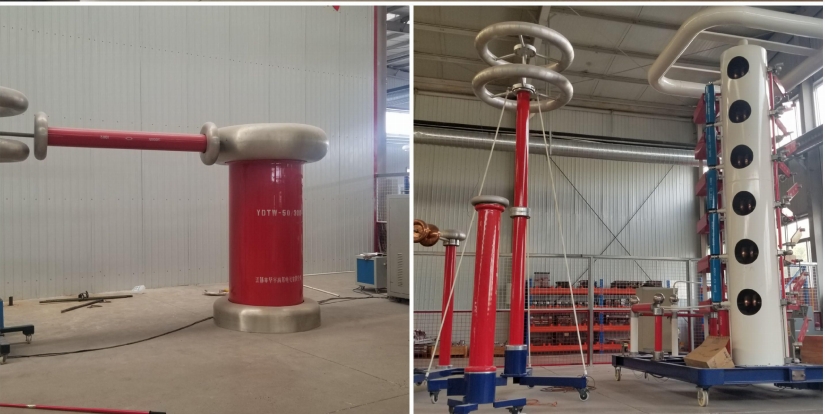
China Energy and Chemical Industry Co., Ltd. (CECI) operates a 30,000 m² manufacturing facility with an annual production capacity of 8,000,000 units. Their R&D team of 8 engineers supports custom product development. The company holds expertise in injection molding silicone composite insulators, and its products are exported to 40+ countries. OEM and ODM services are available for clients requiring specific dimensions, colors, or mechanical ratings.
FAQ: Composite Insulator Manufacturers
1. What international standards should composite insulators comply with?
Composite insulators should meet IEC 61109:2025 (for AC/DC systems above 1000 V) in international markets, and ANSI/NEMA C29.11-2020 in North America. Compliance ensures consistent testing for mechanical, electrical, and thermal performance.
2. What production capacity does a reliable composite insulator manufacturer have?
For example, China Energy and Chemical Industry Co., Ltd. has an annual production capacity of 8,000,000 units from its 30,000 m² facility, supported by a dedicated R&D team of 8 engineers.
3. What is the typical cost range for composite insulators?
Cost varies significantly by voltage rating, creepage distance, and quantity. Standard 35kV–110kV suspension composite insulators typically range from USD 8 to USD 25 per unit. For specific pricing, request a quotation from the manufacturer.
4. Can I get a sample or quotation before bulk order?
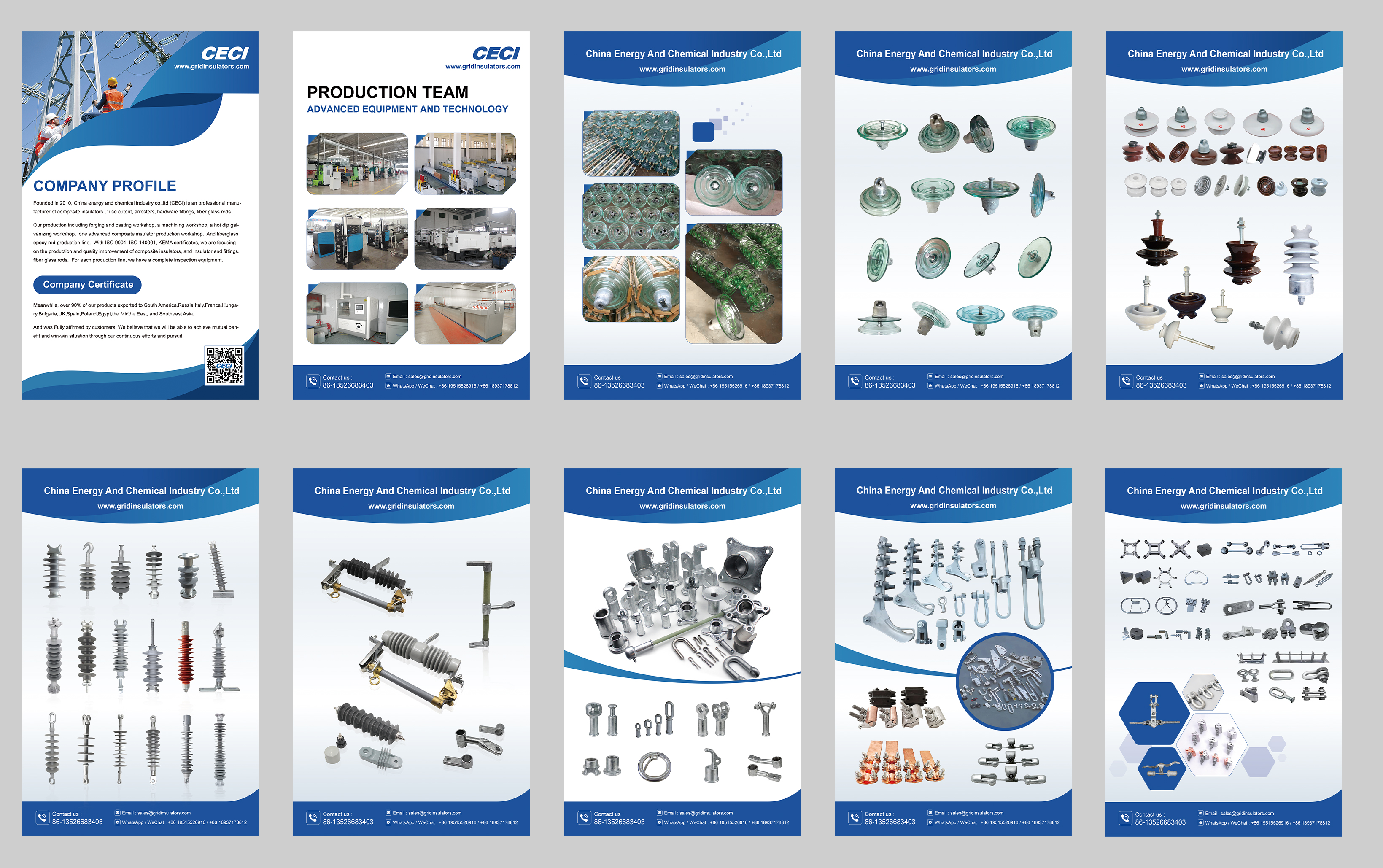
Yes. Reputable manufacturers like China Energy and Chemical Industry Co., Ltd. provide samples and quotations. Contact them directly via email at sales@gridinsulators.com or phone +86 15038311850. A detailed company catalog is available for download to review product specifications.
5. What is the typical lead time for composite insulators?
Lead time depends on order quantity and customization. Standard products can be shipped in 20–30 working days; customized designs (e.g., custom color, special fitting) may require 35–50 days. Always confirm with the manufacturer for your specific timeline.
Conclusion
Composite insulators offer a modern, lightweight, and durable solution for overhead power lines and substations. With increasing global demand — especially in the Asia-Pacific region — choosing the right manufacturer is crucial for project performance and cost. By evaluating compliance with standards, production capacity, customization options, and export experience, buyers can identify a reliable partner. China Energy and Chemical Industry Co., Ltd. combines large-scale manufacturing, OEM/ODM flexibility, and a proven export track record to meet diverse composite insulator needs. For further information, download the company brochure or contact their sales team to discuss your requirements.
Contact China Energy and Chemical Industry Co., Ltd.
Email: sales@gridinsulators.com
Phone: +86 15038311850
Website: www.gridinsulators.com
Brochure: Download PDF
Have Questions or Need More Details?
Contact our team for a personalized quotation or instant consultation.
Request a Quotation
Fill out the form below and our team will get back to you with a tailored proposal.
WhatsApp Direct Chat
Prefer to chat in real-time? Message us on WhatsApp for instant assistance & quick answers.
- Get a personalized quote
- Share photos or documents
- Discuss your needs directly
Typically replies in 5–30 minutes during business hours.