
Composite Insulators: A Complete Guide for Power Transmission Professionals
Composite Insulators: A Complete Guide for Power Transmission Professionals
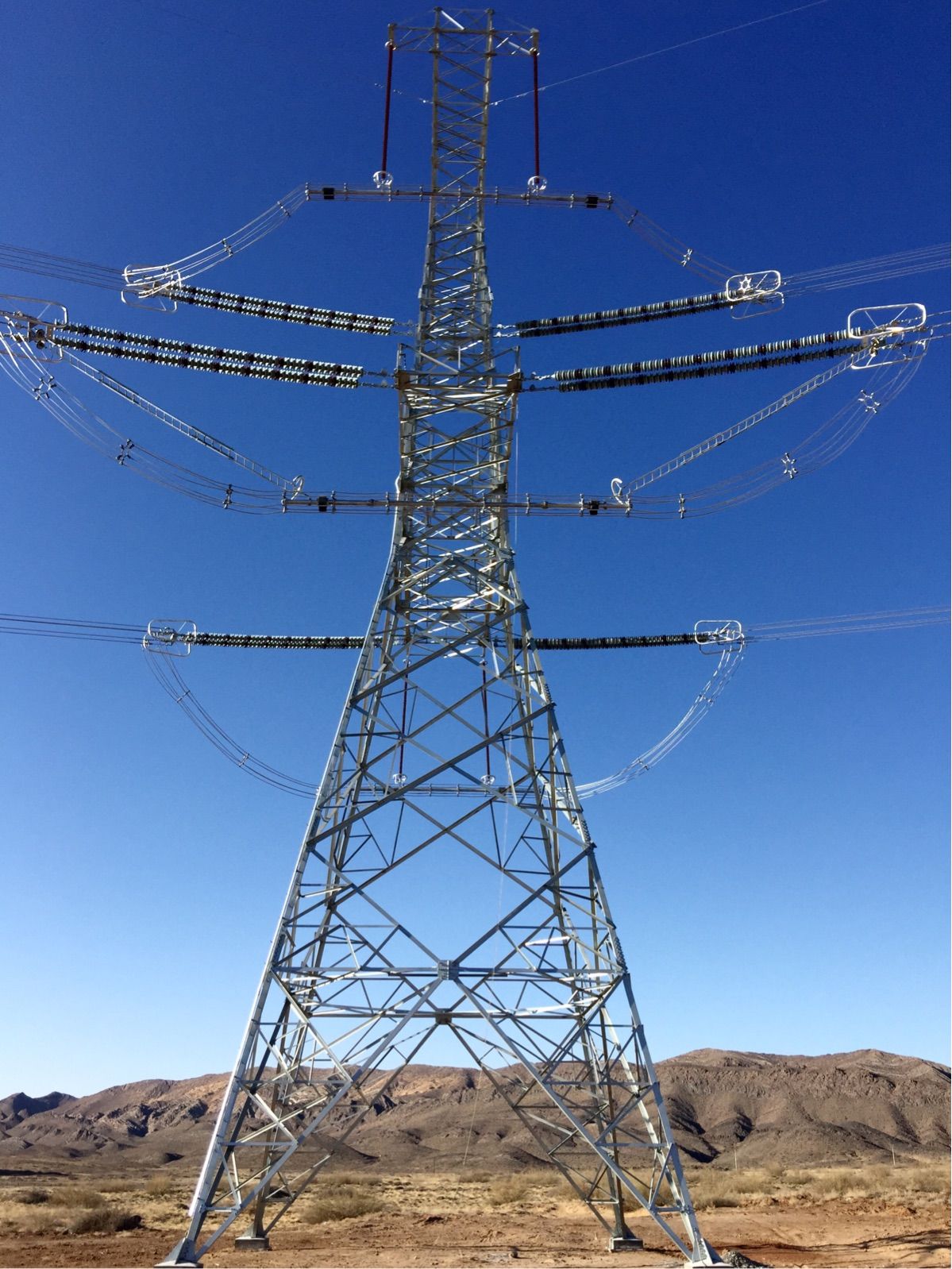
Composite insulators (also known as polymer insulators) are a key component in modern overhead power lines, substations, and rail electrification systems. They offer significant advantages in weight, mechanical strength, and contamination performance compared to traditional porcelain and glass insulators. As the global market for composite insulators grows—valued at approximately USD 6.58 billion in 2024 and projected to reach USD 9.3 billion by 2035 (Market Research Future)—engineers, procurement managers, and project planners increasingly need reliable information to select the right insulator for their application.
This guide covers the fundamentals of composite insulators, their key applications, and how to evaluate manufacturers. All factual claims are drawn from industry standards and the verified product portfolio of China Energy and Chemical Industry Co., Ltd. (CECI), a leading manufacturer of power line components.
What Is a Composite Insulator?
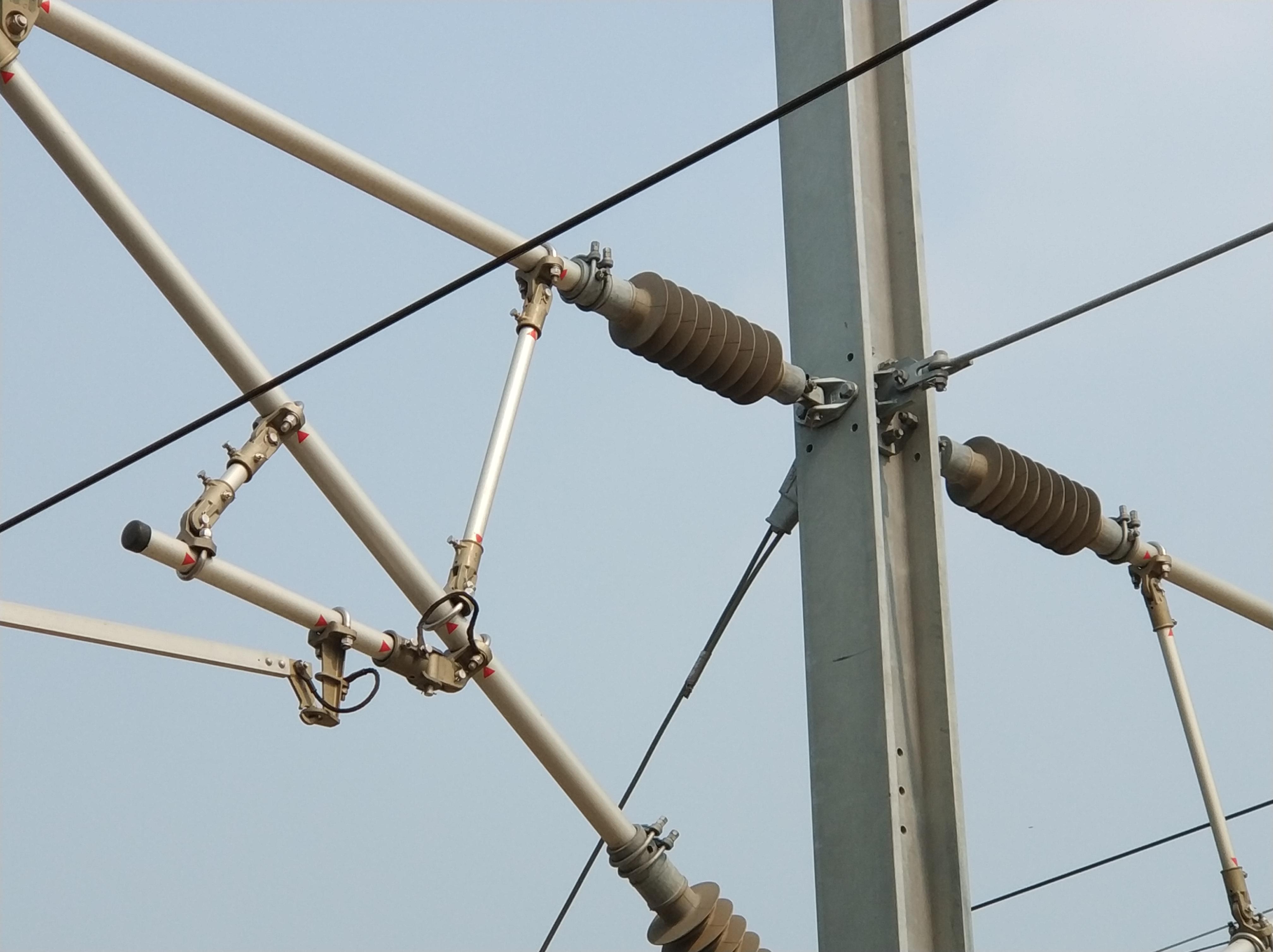
A composite insulator is an insulating device that uses a polymer housing (typically silicone rubber) over a fiberglass reinforced plastic (FRP) core rod, with metal end fittings attached. The silicone rubber sheds provide hydrophobic properties that resist water filming and contamination tracking. Composite insulators are designed according to international standards such as IEC 61109:2025 (covering composite suspension and tension insulators for AC and DC systems > 1000 V) and ANSI/NEMA C29.11-2020 (test methods for composite insulators in North American overhead lines).
China Energy and Chemical Industry Co., Ltd. (CECI), established in 2017, specializes in power industry products including polymer, porcelain, and glass insulators, as well as metal fittings, surge arresters, fuse cutouts, and ERP rods. CECI’s polymer insulators are manufactured in a 30,000 m² facility with an annual production capacity of 8 million units. The company offers both OEM and ODM services and exports to over 40 countries.
Industry Background & Market Dynamics
The composite insulator market is driven by the need for lightweight, high-mechanical-strength, and low-maintenance solutions in transmission and distribution networks. According to verified market data, Asia-Pacific accounted for 49.5% of global revenue in 2024 (Mordor Intelligence), and suspension insulators represent the largest product segment at 38% market share in 2025 (Future Market Insights). The 11 kV to 200 kV voltage segment leads the market, representing approximately 33% of total share in 2025.
Major global competitors in the composite insulator sector include Hitachi Energy, NGK Insulators Ltd., Seves Group (Sediver), Siemens Energy, and Hubbell Power Systems. China is the dominant manufacturing hub, estimated to hold 45% of global manufacturing output (Haiteke Electric). CECI positions itself as a competitive supplier in this landscape, with 95% of its sales from exports to markets including Russia, Vietnam, France, Spain, Italy, Türkiye, Brazil, Poland, Indonesia, and Saudi Arabia.
Detailed Solution: CECI Composite Insulators
CECI offers a comprehensive range of polymer insulators designed for diverse operating environments. One representative product is the Polymer Insulator FXB-24-70-785mm, a suspension long‑rod insulator suitable for high‑voltage applications. Key specifications of this model include:
- Rated Voltage: 35 kV
- Lightning Impulse Withstand Voltage: > 230 kV
- Power Frequency 1‑minute Wet Withstand Voltage: > 95 kV
- Minimum Creepage Distance: > 1050 mm
- Rated Bending Load: 5 kN
- Material: Silicone rubber housing, fiberglass rod, carbon steel / C45 fittings
This product is suitable for rail transit electrification projects, where its role is to provide reliable power transmission and distribution in the public electrical equipment industry. CECI’s polymer insulators are also applied in scenarios that demand anti‑aging and UV‑resistant performance (e.g., rural and urban power grid upgrading projects) and in harsh outdoor conditions including high temperature, high humidity, UV aging, dust storms, and instantaneous impulse overvoltage.
Step‑by‑Step Breakdown: Selecting a Composite Insulator for Your Project
- Define operating voltage and system type. Use the rated voltage (e.g., 35 kV for the FXB model) and system frequency. Verify that the insulator meets the required lightning impulse withstand level.
- Determine creepage distance based on pollution level. For heavy contamination areas, specify a minimum creepage distance ≥ 1050 mm (as in the FXB‑24‑70‑785mm).
- Check mechanical loads. For suspension applications, evaluate the rated bending load (e.g., 5 kN) and the maximum working load including wind and ice.
- Select material grade. Silicone rubber offers hydrophobic recovery and UV resistance. For coastal or salt‑spray environments, ensure the housing is formulated for anti‑aging and UV‑resistant performance.
- Verify compliance with applicable standards. In European projects, reference IEC 61109:2025; in North America, reference ANSI/NEMA C29.11‑2020.
- Choose the appropriate fitting type and size. CECI provides hot‑dip galvanized steel end fittings (e.g., ball‑head connections) that are compatible with standard hardware.
- Request factory test reports and sample pieces. CECI’s R&D team of 8 engineers can support OEM/ODM projects and provide custom solutions.
Use Cases for CECI Composite Insulators
Based on CECI’s EU‑market application data, composite insulators are specified in the following environments:
- Rail transit electrification projects (e.g., overhead catenary systems) – where lightweight and high bending strength are critical.
- Rural and urban power grid upgrading projects – where anti‑aging, UV‑resistant performance reduces replacement frequency.
- High‑voltage transmission lines in Spain, France, Italy, and Turkey – operating in continuous 24/7 mode, requiring high mechanical strength and high insulation performance.
- Substation and converter station installations – applicable products like the 35 kV composite post insulator protect equipment in enclosed switchgear.
Comparison: Composite Insulator Types (Illustrative)
The table below summarizes general characteristics of common composite insulator categories based on industry knowledge and CECI’s product range. Note that exact specifications vary by model.
| Type | Typical Voltage Range | Key Feature | Common Application |
|---|---|---|---|
| Silicone Rubber Suspension Composite Insulator | 11 kV – 200 kV | High hydrophobicity, lightweight | Overhead transmission lines |
| Line Post Composite Insulator | 66 kV – 132 kV | Rigid design, cantilever load up to 10 kN | Distribution and sub‑transmission lines |
| Substation Post Composite Insulator | 35 kV – 245 kV | Compact, high creepage for polluted areas | Substation bus supports |
| Tension Composite Insulator | Up to 132 kV | High tensile strength (rated failing load 70 kN typical) | Dead‑end structures on overhead lines |
These categories align with the secondary product keywords listed in the introduction. CECI can engineer custom lengths, colors, and fitting types for specific project requirements.
FAQ: Composite Insulator Manufacturers
Who are the major composite insulator manufacturers, and how does CECI compare?
The global composite insulator market is served by several large manufacturers. According to industry analysis, the top five competitors include Hitachi Energy, NGK Insulators Ltd., Seves Group (Sediver), Siemens Energy, and Hubbell Power Systems. These companies hold significant market share, particularly in high‑voltage and turnkey project segments.
China Energy and Chemical Industry Co., Ltd. (CECI) is a specialized manufacturer based in Zhengzhou, China, with a 30,000 m² factory and annual output of 8 million units. CECI offers a broad product range including polymer, porcelain, and glass insulators, as well as metal fittings and surge arresters. Key differentiators include:
- OEM/ODM capability with an in‑house R&D team of 8 engineers.
- High export ratio (95%) serving demanding markets in Europe, Asia, and South America.
- Flexible customisation – custom silicone colors, special fittings, and targeted anti‑aging formulations are available.
- Compliance – products are designed to meet IEC and ANSI standards; certifications can be provided upon request.
For procurement professionals evaluating suppliers, CECI represents a competitive option for medium‑ to large‑volume projects where cost‑effectiveness and reliability are both critical. To request a product sample or obtain a detailed quotation, contact the CECI sales team directly at sales@gridinsulators.com or call +86 15038311850.
Download the complete CECI product catalog (polymer, porcelain & glass insulators)
CECI 2025 Product Catalogue (PDF)
Or visit the company website: www.gridinsulators.com
Email: sales@gridinsulators.com | Phone/WhatsApp: +86 19515526916
Headquarters: Room 1502, No. 12, Shangwu Waihuan Road, Zhengdong New District, Zhengzhou, Henan, China.
Conclusion
Composite insulators are an essential technology for modern power networks, offering weight savings, improved pollution performance, and low maintenance. When selecting a manufacturer, consider factors such as production capacity, R&D support, compliance with international standards, and proven track record in export markets. China Energy and Chemical Industry Co., Ltd. provides a range of polymer insulators that meet these criteria, backed by a strong manufacturing base and a commitment to quality.
Have Questions or Need More Details?
Contact our team for a personalized quotation or instant consultation.
Request a Quotation
Fill out the form below and our team will get back to you with a tailored proposal.
WhatsApp Direct Chat
Prefer to chat in real-time? Message us on WhatsApp for instant assistance & quick answers.
- Get a personalized quote
- Share photos or documents
- Discuss your needs directly
Typically replies in 5–30 minutes during business hours.