
Composite vs Glass 70B Insulator: Overhead Line Decision
A composite insulator and the glass post line insulator model 70B can both serve an overhead line, but they do not arrive with the same evidence. Model 70B is a fixed, published design: brown glass construction, 255 mm creepage distance, 146 mm structural height, 450 mm minimum arcing distance, 70 kN rated electromechanical failing load, and 65 kV dry / 45 kV wet power frequency withstand voltage. A composite insulator is a product family, and its electrical and mechanical values depend on the supplier's housing material, FRP rod core, shed profile and end fittings.
The decision rule is therefore straightforward: use the 70B's published values as the benchmark and require a verified composite datasheet for every claim on the other side. Where a composite option documents values that meet or exceed the line requirement, it competes on weight, pollution performance and maintenance interval. Where it does not, 70B remains the defensible choice.
This guide explains what each 70B value means on the line, shows where a composite option can earn its place, and sets out the four checks that decide the comparison — material, mechanical load, creepage and arcing distance, and accessory compatibility such as the QP-7 ball-head suspension ring. China Energy and Chemical Industry Co., Ltd (CECI), a manufacturer of polymer and glass insulators, publishes the catalogue linked at the end of this page; the checks below apply to any supplier.
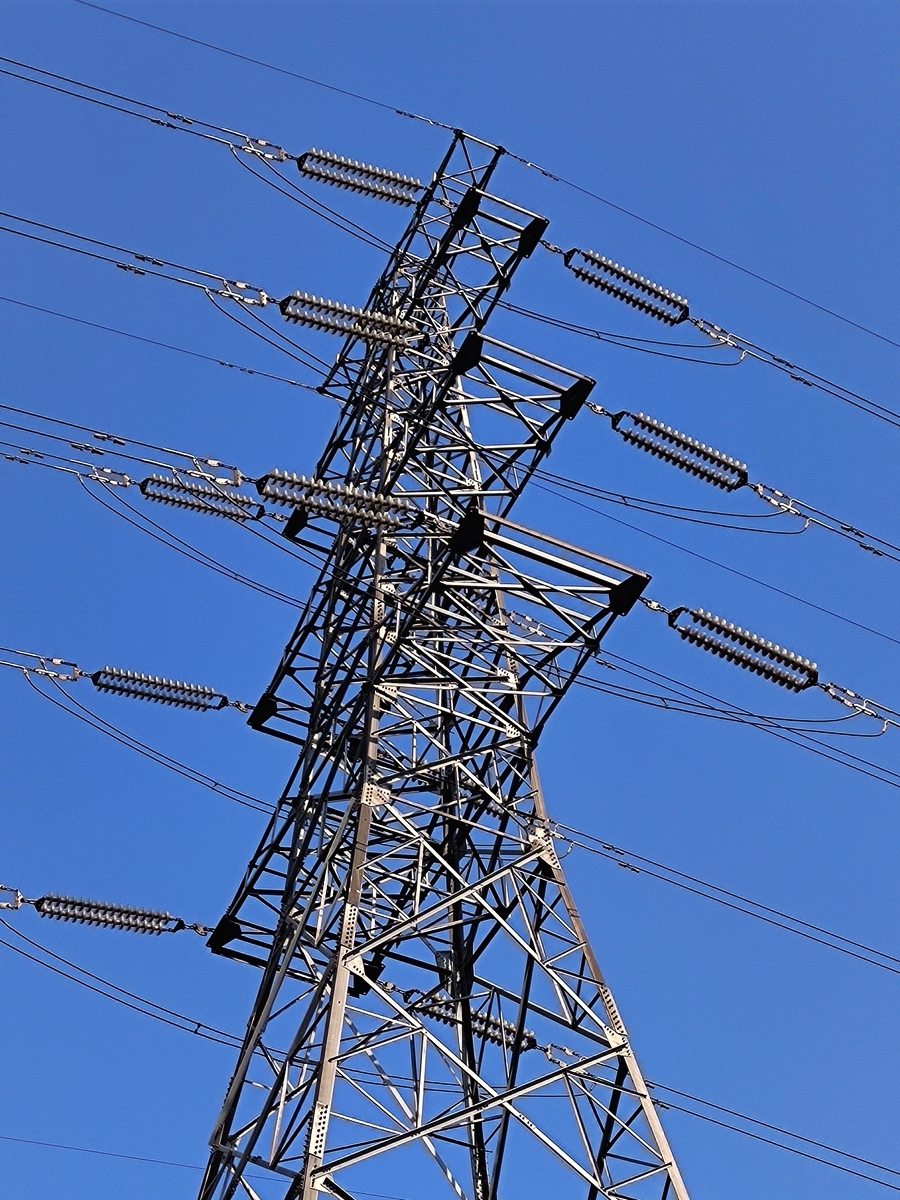
Cover: overhead line insulator application. Image: CECI.
Why this comparison is harder than it looks
Model 70B can be audited against fixed numbers. A quotation, a drawing and a test report can be read against the published creepage, height, arcing distance, failing load and withstand voltage without interpretation. A composite insulator cannot be audited the same way, because "composite" describes a construction method, not a specification. Two suppliers can both quote a composite line insulator for the same voltage and still deliver different creepage, different core diameters, different housing compounds and different end fittings.
The risk sits in that gap. A composite quotation that lists no creepage, no definition of the load rating and no test standard is not a cheaper equivalent of 70B; it is an unspecified product. The practical rule for a decision-stage review is to treat every unsupported composite claim as zero until it appears on a datasheet or in a type-test report. For composite suspension and tension insulators, IEC 61109:2025 is the current international standard covering definitions, test methods and acceptance criteria, so confirm that the report for the configuration you are buying cites the applicable standard and edition — and note that a suspension and tension standard does not automatically define every line post design.
Industry background: why buyers keep both options open
Composite insulators are an established category, not a niche alternative. Commercial research places suspension insulators at 48.4% of the composite insulator market in 2024 (Mordor Intelligence), which is consistent with the suspension and tension focus of the current standard. Market-size estimates for the same category diverge widely between commercial reports — roughly USD 2.5 billion to USD 7.7 billion for the same period — mainly because the definitions differ; those figures are useful for orientation, not as a procurement input. The IEC 61109:2025 edition became the current reference in February 2025, so a specification written to an older edition deserves a review before it is reused.
Glass has stayed in the comparison for reasons that are easy to verify: brown glass keeps the dielectric visible, and CECI's comparison data records shorter testing and repair times for glass and porcelain than for composite. Composite has stayed in the comparison for the opposite reasons: lower mass, installation-time savings, and positioning for heavy-pollution, long-span and lightweight-requirement projects. Neither position is universal, which is why the decision has to be made line by line.
Composite vs glass 70B: decision parameters
The table below compares the fixed 70B values with the composite side, where each cell states what the supplier must document rather than a value this page cannot verify.
| Decision parameter | Glass 70B (published) | Composite option | What to require |
|---|---|---|---|
| Housing and dielectric | Brown glass | Polymer housing over FRP rod core; varies by supplier | Datasheet naming housing compound, core type and housing-to-core bonding |
| Creepage distance | 255 mm | Supplier-specific for the same voltage and pollution level | Datasheet value, drawing and measurement basis |
| Structural height | 146 mm | Supplier-specific | Dimensional drawing and interface dimensions |
| Minimum arcing distance | 450 mm | Supplier-specific | Datasheet value checked against the clearance study |
| Rated electromechanical failing load | 70 kN | Supplier-specific | Test report and a clear definition of the rating |
| Power frequency withstand | 65 kV dry / 45 kV wet | Supplier-specific | Type-test report stating both dry and wet values |
| Mass and installation time | Baseline for the comparison | About 50% lighter, about 60% installation-time saving (CECI comparison data) | Quoted unit mass and handling method |
| Testing and repair time | About 80% less testing time; emergency repair 1–2 hours (CECI comparison data) | Annual maintenance cost about 40% lower; emergency repair 4–6 hours (CECI comparison data) | Spare-part policy and repair procedure |
| Condition assessment | Visual inspection through brown glass | Housing and core condition require an inspection technique such as infrared | Inspection procedure and acceptance criteria |
Table 1. The 70B column contains published design values; composite cells are documentation requirements, not values.
Two readings of the table matter. First, the 70B column is complete: those values describe a finished, published design. Second, the composite column is a list of documents rather than a list of values, and an offer that cannot fill it is not comparable with 70B, however attractive the price appears.
What each 70B value means on the line
Reading the 70B specification as a decision tool means treating each value as a constraint rather than a marketing point.
- 255 mm creepage distance is the leakage path across the insulator surface. Pollution performance depends on creepage together with shed profile and site severity, so a composite alternative should be compared at equal or higher creepage for the same installation envelope, with the measurement basis confirmed on the drawing.
- 146 mm structural height fixes the space the insulator occupies between hardware. A taller composite unit changes string length and may require a clearance re-check, even when its electrical values look better on paper.
- 450 mm minimum arcing distance is the shortest path through air. It should be checked against the clearance study for the structure rather than copied from a similar project.
- 70 kN rated electromechanical failing load is the mechanical rating to compare against conductor tension, wind and ice loads. When a composite supplier quotes a 70 kN class, confirm whether the figure is a rated electromechanical failing load, what test basis it uses, and whether it applies to the same fitting arrangement.
- 65 kV dry / 45 kV wet power frequency withstand documents dielectric behaviour in dry and wet conditions. The wet value is the one that matters for rain and washing, and it should appear in a type-test report, not only in a brochure.
- Brown glass construction keeps the dielectric visible: damaged or flashed units can be identified by inspection, which underpins the roughly 80% reduction in testing time and the 1–2 hour emergency repair recorded for glass and porcelain in CECI's comparison.
The limitation on the glass side is handling: glass is a brittle material, so transport protection and installation practice belong in the specification. CECI's comparison describes composite insulators as impact-resistant, and that difference matters on sites with difficult access.
Where a composite option earns its place — and what it must prove
Composite insulators are about 50% lighter than porcelain and glass equivalents and save about 60% of installation time in CECI's comparison data. They cost roughly 10% more initially, carry about 40% lower annual maintenance cost, and require less maintenance with longer intervals. The same comparison positions them for heavy-pollution, long-span and lightweight-requirement projects, where lower mass reduces structural loading and the polymer housing is specified for contaminated routes.
A CECI project record covering 10,000 polymer and glass units installed across multiple applications over three years reports enhanced line stability, reduced maintenance intensity and improved pollution resistance, together with customizable end fittings, FRP rod core supply and OEM/ODM support. That record shows what the category can do; it does not substitute for the datasheet of the specific unit being purchased.
The technical reason to insist on documents is the core. A peer-reviewed study (Z. Zhang et al., 2022, via PubMed Central) states that deterioration of a composite insulator's FRP mandrel can cause serious power-grid accidents, which is why early defect detection matters, and proposes infrared-based identification of defects. In procurement language, that means core quality, housing integrity and an inspection acceptance criterion should be written into the order rather than assumed from the product name.
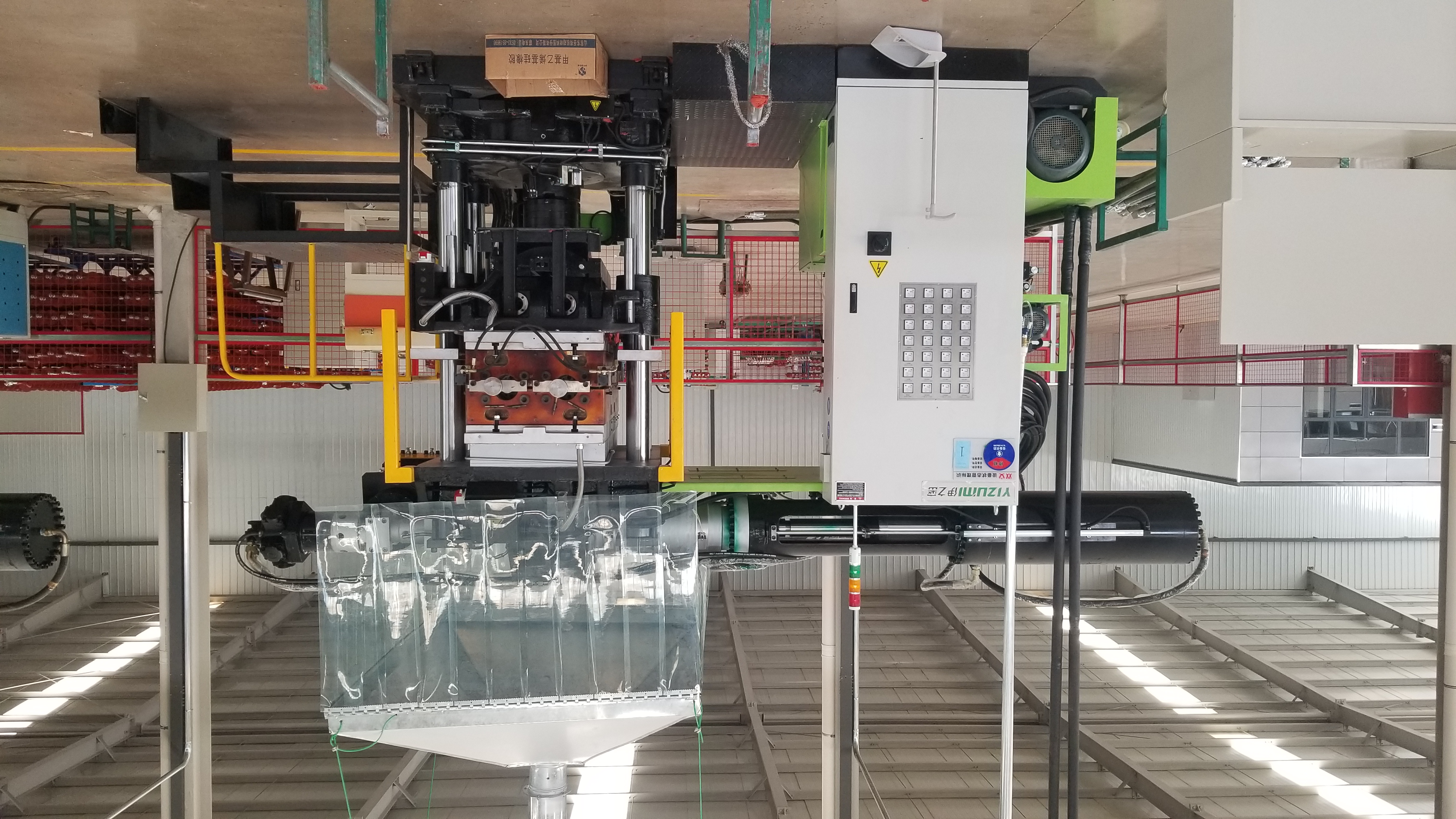
Housing production is where a composite unit's specification is fixed; verify it on the datasheet. Image: CECI.
The four checks that decide the comparison
Each check converts a generic composite-versus-glass discussion into a decision that can be closed with documents.
1. Material
Ask what the housing is, what the core is, and how the two are bonded. A composite line insulator typically uses a polymer housing — silicone rubber in most outdoor transmission designs — over a fiberglass-reinforced plastic rod core. The datasheet should name the compound family, state UV stabilization for outdoor exposure and describe the housing-to-core interface. Treat colour and anti-aging labels as datasheet attributes to verify, not as performance evidence. For 70B, the material question is settled: brown glass, with the inspection advantage of a transparent dielectric.
2. Mechanical load
Start from the calculated line load, then compare. The 70B's 70 kN rated electromechanical failing load is the reference point; a composite unit should be quoted with a rating defined the same way and supported by a test report. Confirm the end-fitting arrangement, because the rating belongs to the complete assembly rather than to the rod alone. Where the line load is close to the rating, ask for the test record instead of a catalogue table.
3. Creepage and arcing distance
Match or exceed 255 mm creepage and 450 mm minimum arcing distance, or document the deviation against the clearance and pollution study. Ask for the measurement basis of the creepage figure and for dry-and-wet withstand evidence comparable to the 70B's 65 kV dry / 45 kV wet values. On coastal salt-spray or heavy-contamination routes, the creepage selected should be justified by the site pollution severity, and the housing material should form part of that justification.
4. Accessory compatibility
Hardware is where otherwise sound comparisons fail. The QP-7 ball-head suspension ring must couple correctly with the insulator's end fitting: check the ball and cap dimensions, the rated load of the ring against the insulator rating, and the corrosion protection of both parts. A 146 mm structural height plus the ring and any extension fittings defines the assembled length the clearance study assumed, so dimensional stack-up belongs in the same review. CECI supplies metal fittings for insulators and offers customizable end fittings, which makes it practical to settle a coupling question at the drawing stage rather than on site.
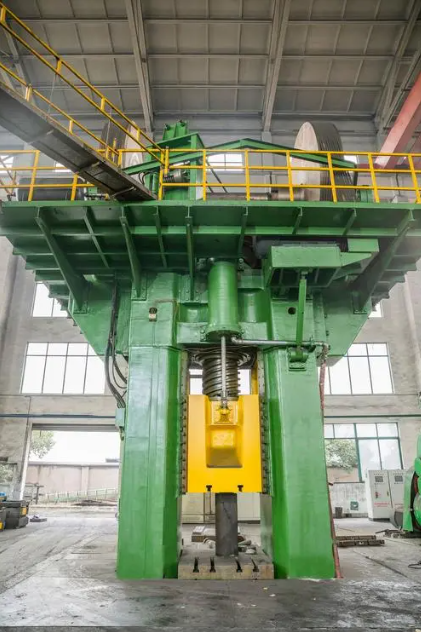
Metal fittings and accessories are part of the assembly rating, not an afterthought. Image: CECI.
Matching the option to the line
- Coastal, salt-spray and heavy-contamination routes: composite insulators are positioned for heavy-pollution scenarios, but the decision should rest on verified creepage and housing data rather than the category label. If those documents are unavailable, 70B with a creepage review is the lower-risk path.
- Long spans, light structures and difficult access: the roughly 50% mass reduction and 60% installation-time saving change handling and structural load, and usually decide the comparison.
- Lines that depend on visual inspection and fast repair: brown glass keeps the dielectric inspectable, and CECI's comparison records 1–2 hour emergency repair for glass against 4–6 hours for composite, so 70B fits maintenance models built on rapid replacement.
- Brownfield replacements with a fixed envelope: where 146 mm height and 450 mm arcing distance are already designed into the structure, a composite unit must fit that envelope or trigger a re-check.
- High mechanical duty: close to the 70 kN class, the published 70B rating is the fixed reference, and the composite alternative must document an equal or higher rating for the complete assembly.
Cost and maintenance: building the total-cost view
CECI's comparison data provides the starting numbers: about 10% higher initial cost for composite, about 40% lower annual maintenance cost, longer maintenance intervals, and a 25% to 35% lower total replacement cost for glass than alternatives. Emergency repair runs 1–2 hours for glass and porcelain against 4–6 hours for composite, while testing time for glass and porcelain is reduced by roughly 80%.
Those figures pull in different directions, which is why the decision should not be made on unit price. A working total-cost comparison adds initial price, installation time, routine maintenance, testing and the cost of an outage. CECI's published position is explicit that energy-efficiency differences between insulator types are minor and that selection should focus on total cost of ownership and reliability. Local labour rates, outage costs and spare-part strategy will move the result, so the comparison should be rebuilt with project figures rather than adopted from any supplier's summary.
Sourcing risk on the composite side
The risks recorded for insulator procurement are delivery delays, quality consistency, shipping and customs, and insufficient certification or compliance. The corresponding controls are contractual and procedural: clear lead-time clauses, pre-shipment inspection, factory test records, third-party inspection, certificate verification and staged deliveries.
CECI's own measures follow that pattern — an ISO 9001 quality management system, test reports from domestic and international third-party institutions, full batch testing, defined quality and delivery terms, dedicated project managers, staged delivery to prevent delays, and coordinated logistics for customs clearance. For a buyer, the transferable point is that the composite decision is only as good as the documentation package behind it: a datasheet, a drawing, a type-test report, a quality certificate and an inspection plan.
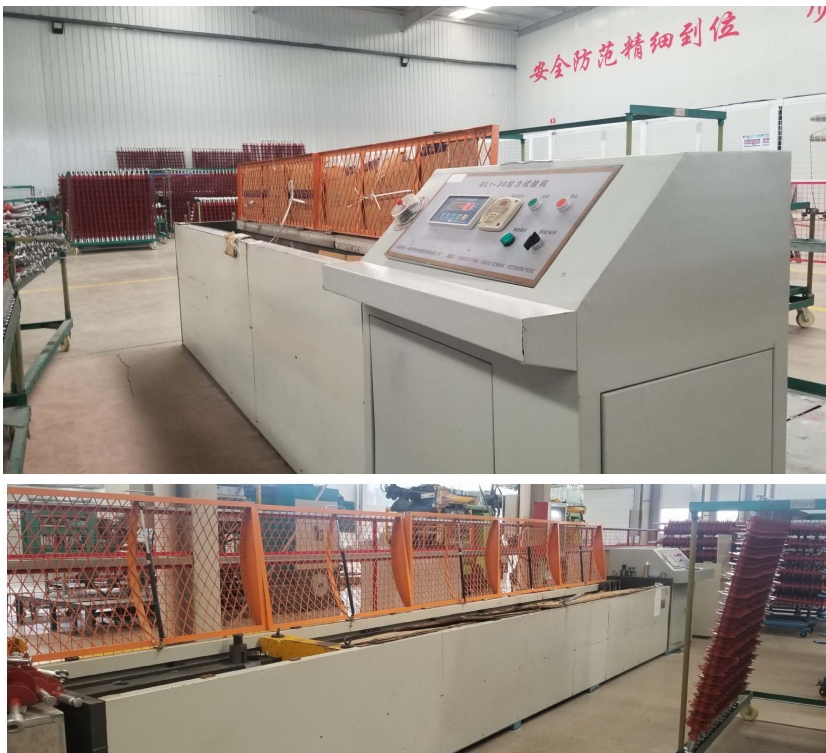
Test evidence, not catalogue wording, closes the composite side of the comparison. Image: CECI.
Frequently asked questions
What documents should I request before approving a composite insulator supplier?
At minimum: a datasheet naming housing material, core type and end fittings; a dimensional drawing; type-test reports for mechanical load and dry and wet power frequency withstand that state the standard and edition; ISO 9001 or equivalent quality-system evidence; batch test records; and the inspection plan. Add accessory certificates for parts such as the QP-7 ball-head suspension ring, and confirm that each test report applies to the exact configuration quoted.
Which composite insulator manufacturer is better for 66kV line post applications?
There is no universal answer, because a 66 kV line post requirement has to be defined by the project before suppliers can be ranked. Set the creepage for the site pollution level, the mechanical load and the fitting arrangement, then compare suppliers on documented values rather than reputation. Check whether each datasheet expresses the ratings in the same terms as the 70B reference — creepage, arcing distance, rated failing load, dry and wet withstand — whether the type-test report covers the configuration and standard edition, and whether accessories such as the QP-7 ring are confirmed compatible. China Energy and Chemical Industry Co., Ltd manufactures polymer and glass insulators, reports exports to more than 40 countries and offers OEM/ODM support, but its 66 kV line post datasheet, drawings and test reports should be verified against your own schedule before any supplier is chosen.
Can a composite insulator replace 70B directly on an existing line?
Only after four checks: the mechanical rating must equal or exceed the line load; creepage and arcing distance must match 255 mm and 450 mm or be re-verified against the clearance and pollution study; height and interface dimensions must suit the existing hardware; and the coupling with accessories such as the QP-7 ball-head suspension ring must be confirmed. If any of these changes the assembly length or the electrical envelope, the replacement is a redesign rather than a substitution.
Is composite or 70B glass the better choice for polluted overhead lines?
Composite insulators are positioned for heavy-pollution scenarios in CECI's comparison, and a three-year project record covering 10,000 polymer and glass units reports improved pollution resistance. That is a reason to evaluate composite seriously, not a guarantee for a specific route: pollution performance depends on the creepage provided, the housing material and the site severity. Glass 70B remains viable where the creepage is adequate for the site and where visual inspection is part of the maintenance model.
How should budget be compared between the two options?
Start with unit prices including accessories, then add installation, testing, routine maintenance and outage cost. CECI's comparison data puts composite about 10% higher on initial cost and about 40% lower on annual maintenance, with glass holding a 25% to 35% lower total replacement cost. Those figures are directional and should be rebuilt with local labour and outage costs before a budget is approved.
What maintenance and repair differences should be planned for?
Glass and porcelain show a 1–2 hour emergency repair time against 4–6 hours for composite in CECI's comparison, together with roughly 80% less testing time; composite carries lower annual maintenance cost and longer intervals. The planning consequence is a spare-part and access decision: lines that rely on fast replacement favour glass, while routes where maintenance frequency dominates favour composite. The CECI catalogue of polymer insulators and glass insulators lists both product families if you want to take the comparison to datasheet level.
Conclusion: a decision rule that survives audit
Set the 70B's published values as the benchmark — 255 mm creepage distance, 146 mm structural height, 450 mm minimum arcing distance, 70 kN rated electromechanical failing load, 65 kV dry / 45 kV wet withstand — and require the composite side to answer in the same terms with documents. If the datasheet, drawing and type-test report meet or exceed the line requirement and the project is driven by weight, pollution performance or maintenance interval, the composite option is a legitimate choice despite its higher initial price. If those documents are missing, or the line depends on visual inspection, rapid repair and a fixed dimensional envelope, 70B is the defensible decision.
In both cases the order should carry the material specification, the definition of the rating, the creepage and arcing values, and the accessory coupling check. That package is what keeps the comparison auditable a year after installation. The 2025 CECI catalogue of polymer insulators and glass insulators covers both product families, and CECI can be reached through gridinsulators.com for datasheet-level questions on a specific line.
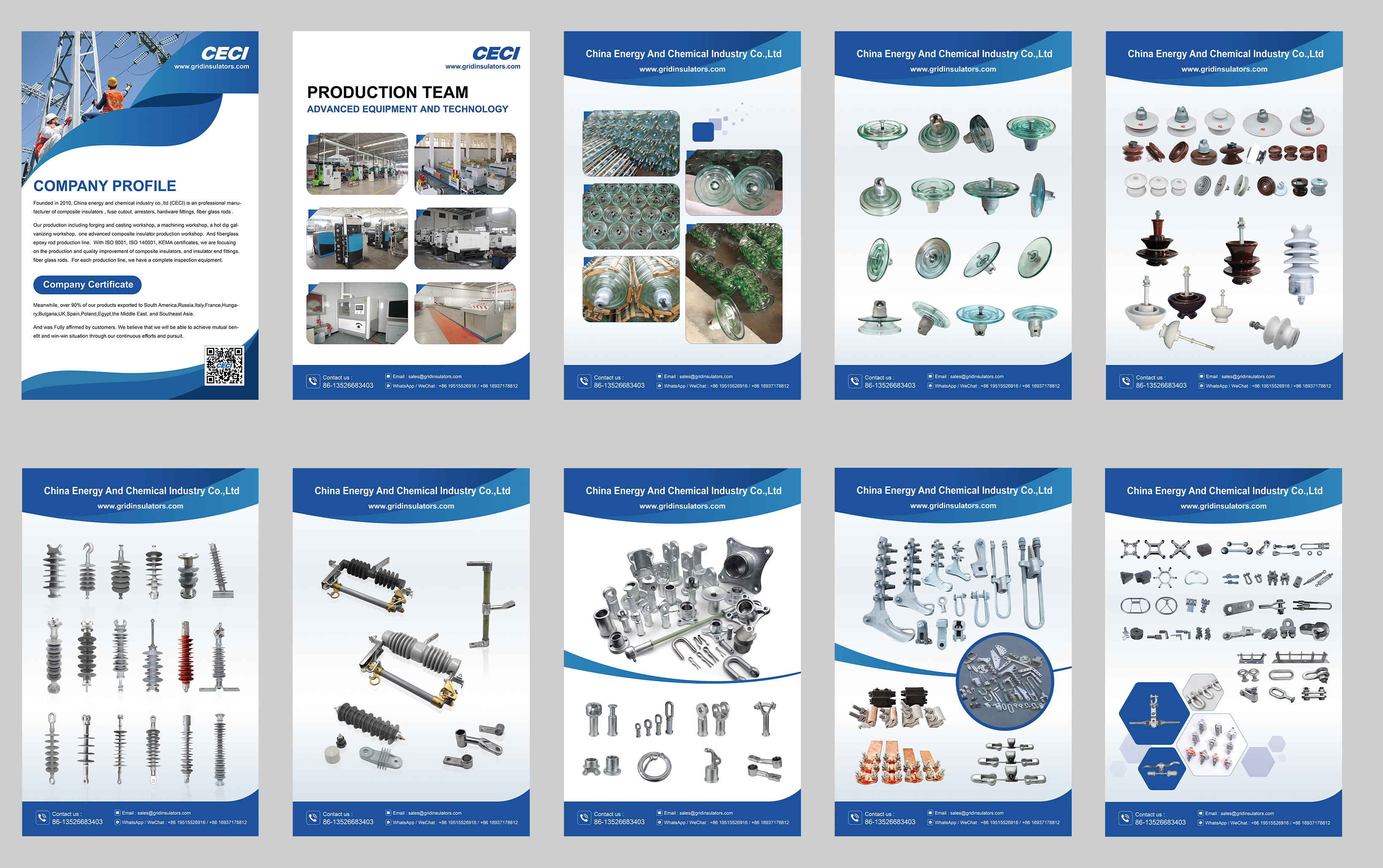
Download the catalogue to compare both options at datasheet level. Image: CECI.
Have Questions or Need More Details?
Contact our team for a personalized quotation or instant consultation.
Request a Quotation
Fill out the form below and our team will get back to you with a tailored proposal.
WhatsApp Direct Chat
Prefer to chat in real-time? Message us on WhatsApp for instant assistance & quick answers.
- Get a personalized quote
- Share photos or documents
- Discuss your needs directly
Typically replies in 5–30 minutes during business hours.