
Comprehensive Guide to Composite Insulators: Types, Applications, and Manufacturer Insights
Comprehensive Guide to Composite Insulators: Types, Applications, and Manufacturer Insights
Composite insulators, also known as polymer insulators, have become a cornerstone of modern power transmission and distribution systems. Their lightweight construction, superior pollution performance, and high mechanical strength make them a preferred choice for utilities, substations, and renewable energy projects worldwide. This guide provides an in-depth look at composite insulator technology, key types, real-world applications, and how to evaluate manufacturers like China Energy and Chemical Industry Co., Ltd. (CECI).
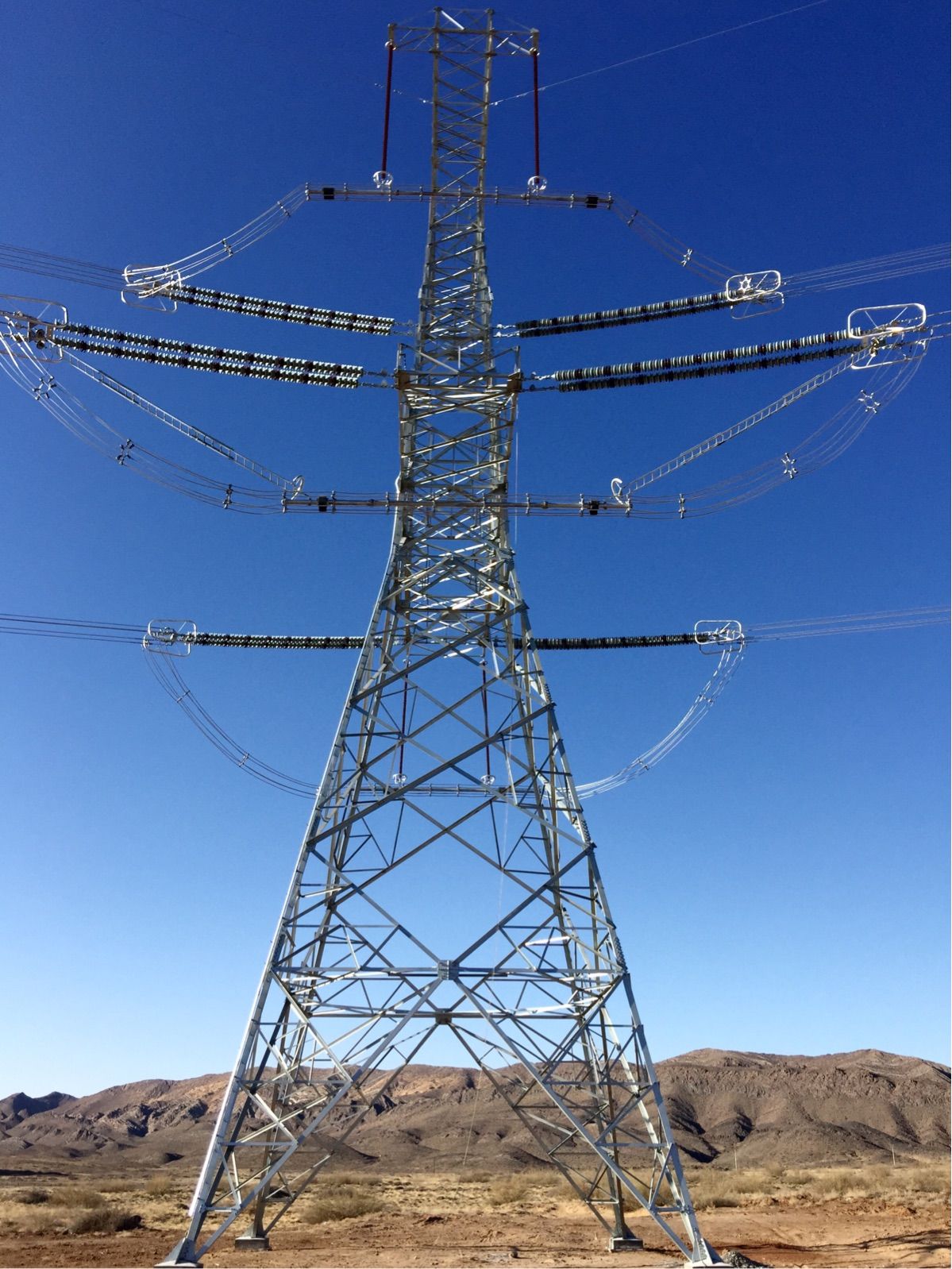
Problem Definition: Limitations of Traditional Insulators
Porcelain and glass insulators have been used for over a century, but they present several challenges in modern grids: heavy weight (increasing tower and foundation costs), fragility during handling and transport, susceptibility to vandalism, and poor performance in heavily polluted environments. Composite insulators address these issues by using a silicone rubber housing and a fiberglass-reinforced plastic (FRP) core, offering excellent hydrophobicity, light weight (typically 30–50% lighter than porcelain), and high resistance to UV aging and corrosion.
Industry Background and Market Trends
The global composite insulators market was valued at approximately USD 6.58 billion in 2024 and is projected to reach USD 9.3 billion by 2035 (Market Research Future). Asia-Pacific dominated the market in 2024 with a revenue share of about 49.5% (Mordor Intelligence). Suspension insulators represent the largest product segment, holding an estimated 38% market share (Future Market Insights). The 11 kV to 200 kV voltage class accounts for roughly 33% of total market share. Key international standards include IEC 61109:2025 and ANSI/NEMA C29.11-2020, which define test methods and performance characteristics for composite insulators. Major global competitors include Hitachi Energy, NGK Insulators Ltd., Seves Group (Sediver), Siemens Energy, and Hubbell Power Systems.
Detailed Solution: Composite Insulators from CECI
China Energy and Chemical Industry Co., Ltd., founded in 2017, is a specialized manufacturer of power industry products including polymer, porcelain, and glass insulators, as well as metal fittings and accessories. The company operates a 30,000 m² manufacturing facility with an annual production capacity of 8,000,000 units. Its R&D team consists of 8 engineers, and the total staff is approximately 100.
CECI’s polymer insulator product line includes the FXB-24-70-785mm, a suspension long rod composite insulator designed for 35 kV rated voltage. Key parameters include:
- Lightning impulse withstand voltage: >230 kV
- Power frequency 1-minute wet withstand voltage: >95 kV
- Minimum creepage distance: >1050 mm
- Rated bending load: 5 kN
The product is suitable for rail transit electrification projects, providing power transmission and distribution in the public electrical equipment industry. The company also offers OEM and ODM services, with export business accounting for 95% of total sales. Major markets include Russia, Vietnam, France, Spain, Italy, Turkey, Brazil, Poland, Indonesia, and Saudi Arabia.
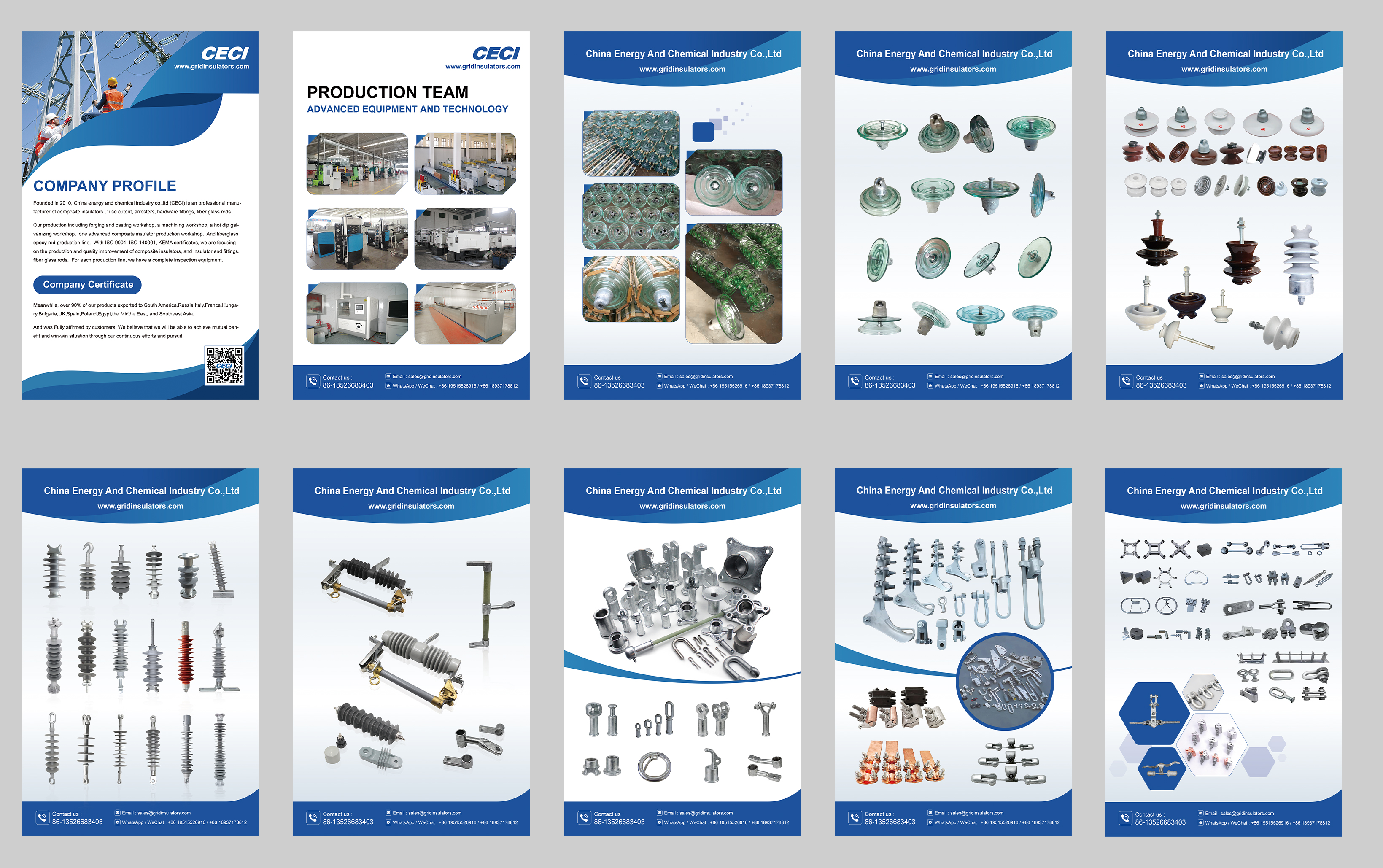
Step-by-Step Breakdown: How to Select a Composite Insulator
- Determine voltage class and mechanical load – Choose a product that meets your system voltage (e.g., 35 kV, 66 kV, 132 kV) and mechanical requirements such as cantilever or tension load (e.g., rated bending load of 5 kN).
- Assess environmental conditions – For high temperature, high humidity, UV aging, dust storms, or coastal salt spray, select an insulator with silicone rubber housing that provides hydrophobicity and UV resistance. CECI’s polymer insulators are designed for these harsh conditions.
- Compliance with standards – Ensure the composite insulator meets relevant international standards such as IEC 61109:2025 or ANSI/NEMA C29.11-2020 for quality and reliability.
- Evaluate manufacturer capabilities – Look for a manufacturer with a robust production facility (e.g., 30,000 m² factory, 8,000,000 units annual capacity) and a dedicated R&D team. Check if OEM/ODM services are available for custom designs.
Use Cases and Applications
CECI’s polymer insulators are applied in a variety of projects:
- Rural and urban power grid upgrading – Requires anti-aging and UV-resistant performance (Product 5576, Ball-Head Suspension Ring QP-7 used as accessory).
- Rail transit electrification – Uses polymer insulator Model FXB-24-70-785mm for power transmission and distribution (Product 5561).
- High-voltage transmission lines – Porcelain insulator Model U70BP/146D and glass insulator Model 70B are also available for complementary use.
- Substations – Products must support high mechanical strength and high insulation performance in 24/7 continuous operation, common in Spain, France, Italy, and Turkey (Product 5572).
- Wind power projects – Lightweight composite insulators reduce tower loading in wind turbine connections.
Comparison: Composite vs. Porcelain vs. Glass Insulators
| Parameter | Composite (Polymer) | Porcelain (U70BP/146D) | Glass (70B) |
|---|---|---|---|
| Material | Silicone + FRP core | Porcelain | Glass |
| Rated failing load | — | 70 kN (electromechanical) | 70 kN (electromechanical) |
| Cantilever load | 5 kN (bending) | — | 10 kN |
| Creepage distance | >1050 mm | 255 mm | 255 mm |
| Power frequency wet withstand | >95 kV | — | 45 kV |
| Lightning impulse withstand | >230 kV | — | — |
| Puncture voltage | — | — | 135 kV |
| Weight | Light (~30-50% less than porcelain) | Heavy | Moderate |
| Pollution performance | Excellent (hydrophobic) | Good (requires cleaning) | Good |
| UV resistance | Yes (silicone) | Inherent | Inherent |
| Standard compliance | IEC 61109, ANSI C29.11 | IEC, ANSI | IEC, ANSI |
Note: Values are based on available product specifications and verified data. Composite data from CECI polymer insulator FXB-24-70-785mm; porcelain and glass data from CECI models U70BP/146D and 70B.
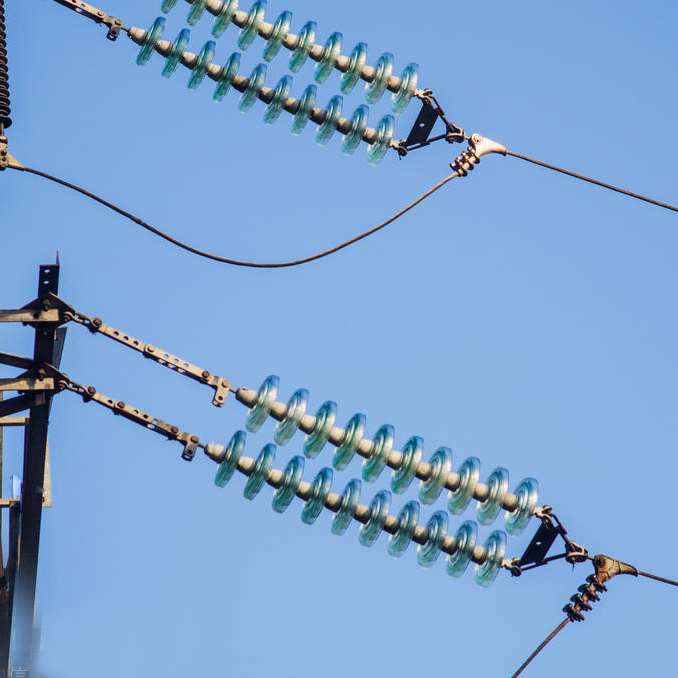
FAQ: Composite Insulator Manufacturers
What should I look for in composite insulator manufacturers?
When evaluating composite insulator manufacturers, consider the following criteria based on industry best practices:
- Production capacity and facility – Look for a manufacturer with a sufficiently large factory (e.g., 30,000 m²) and high annual output (e.g., 8,000,000 units) to ensure stable supply.
- R&D capability – A dedicated engineering team (e.g., 8 engineers) indicates a commitment to quality and innovation. OEM/ODM services are beneficial for custom insulator designs.
- Quality certifications and standards – Ensure products conform to international standards such as IEC 61109:2025 or ANSI/NEMA C29.11-2020.
- Global market presence – A manufacturer exporting to multiple countries (e.g., Russia, Vietnam, France, Spain, Italy, Turkey, Brazil, Poland, Indonesia, Saudi Arabia) demonstrates reliability and cross-border compliance.
- Product range – A full portfolio including polymer, porcelain, and glass insulators, along with metal fittings (e.g., Ball-Head Suspension Ring QP-7), simplifies procurement.
China Energy and Chemical Industry Co., Ltd. meets these criteria. For detailed product specifications, request a quote or sample by contacting the sales team at sales@gridinsulators.com or via phone/WhatsApp: +86 15038311850. Download the full product catalog here.
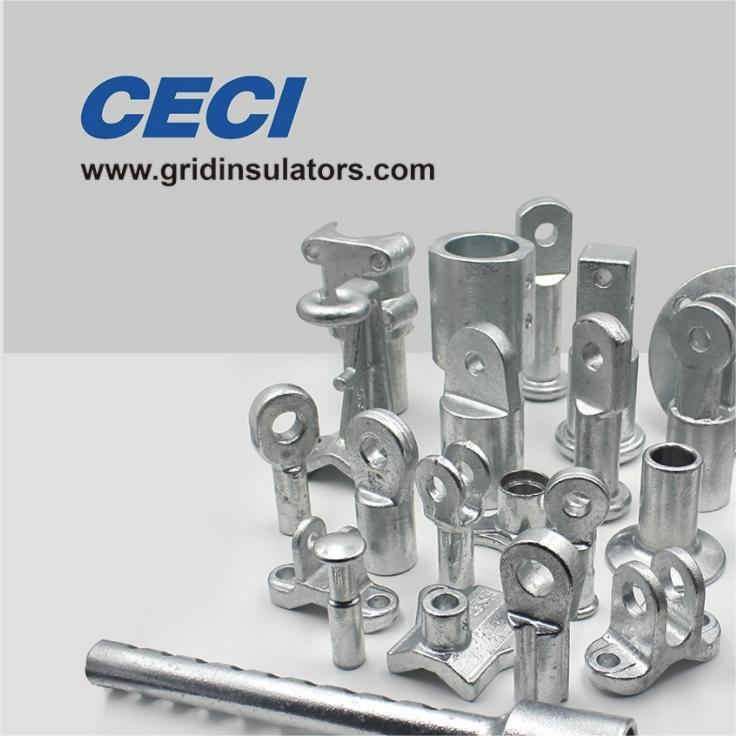
Contact: Richard • Email: sales@gridinsulators.com • Phone: +86 15038311850 • WhatsApp: +86 19515526916
Have Questions or Need More Details?
Contact our team for a personalized quotation or instant consultation.
Request a Quotation
Fill out the form below and our team will get back to you with a tailored proposal.
WhatsApp Direct Chat
Prefer to chat in real-time? Message us on WhatsApp for instant assistance & quick answers.
- Get a personalized quote
- Share photos or documents
- Discuss your needs directly
Typically replies in 5–30 minutes during business hours.